McLaren Automotive

McLaren 650S Spider
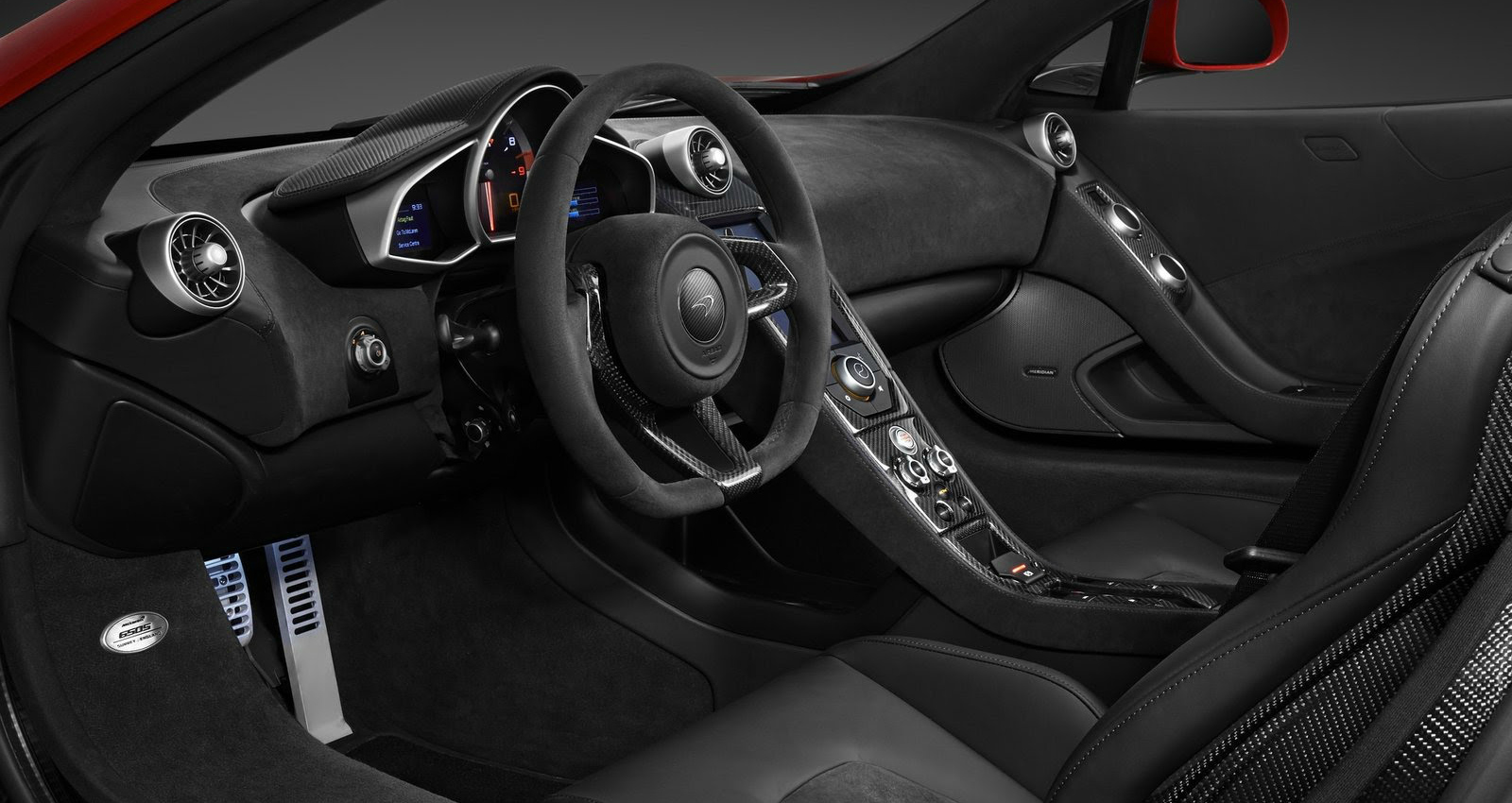
McLaren 650S Spider Interior
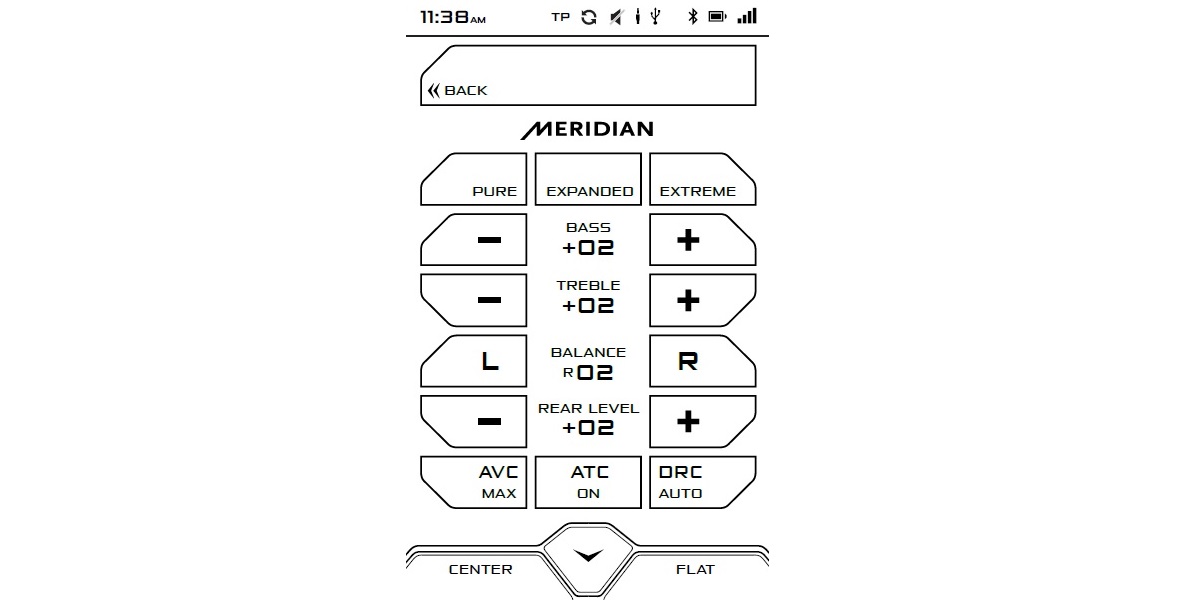
McLaren Sound Settings HMI

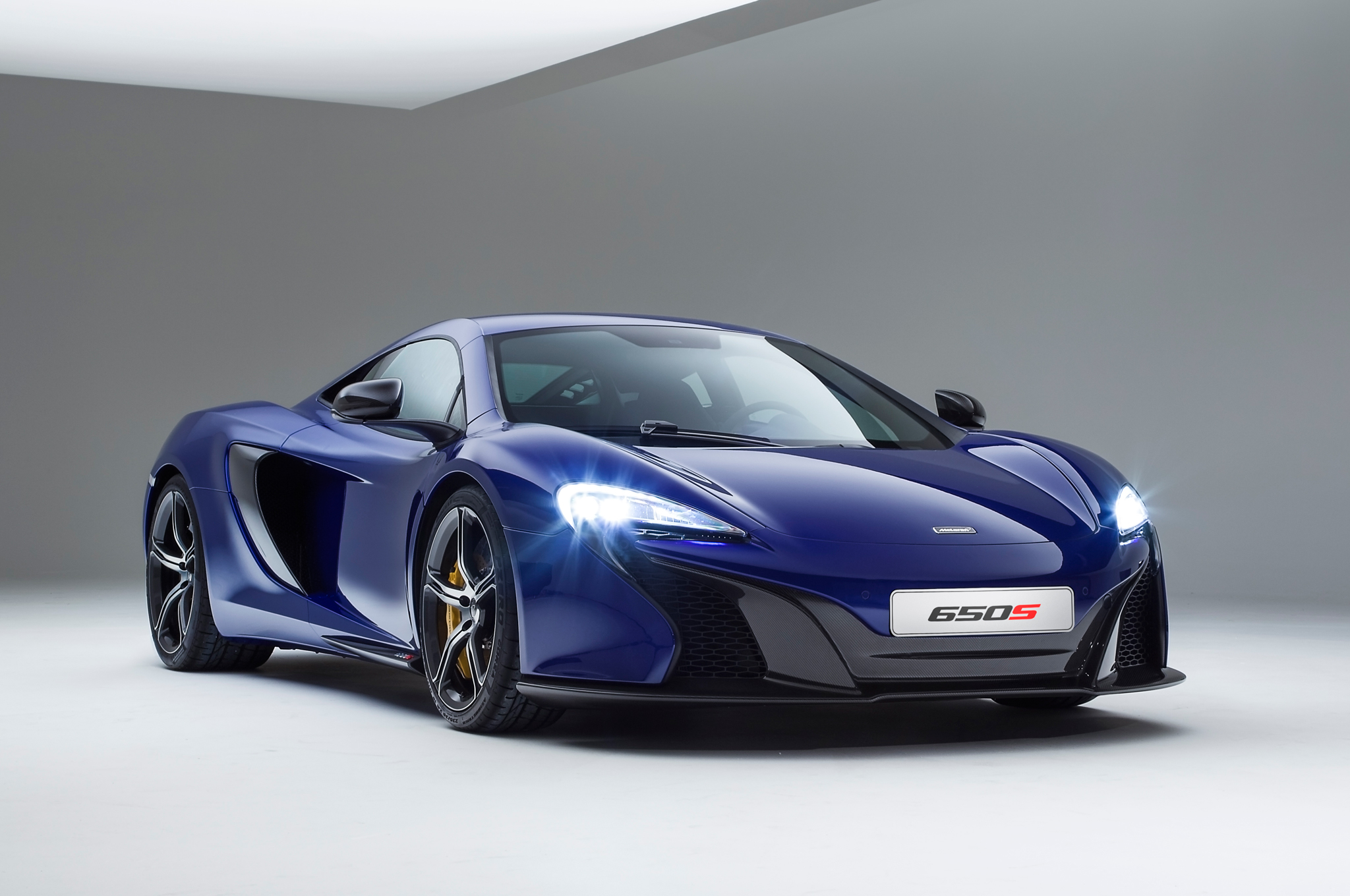
McLaren 650S Coupe
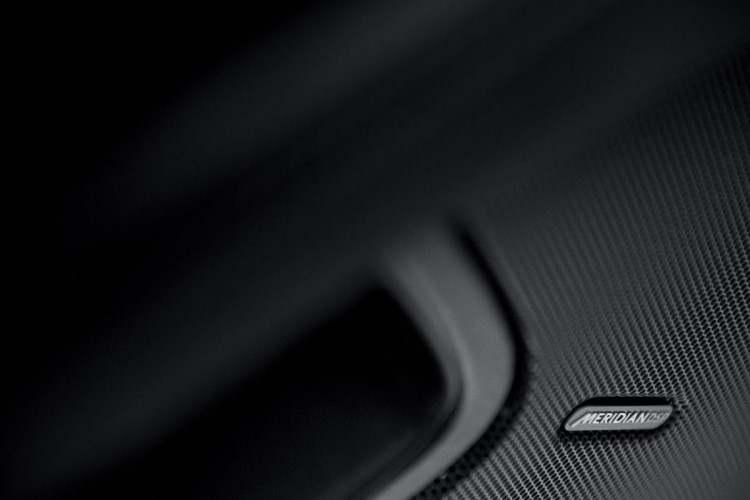
McLaren Door Loudspeaker

McLaren Door Loudspeaker Assembly
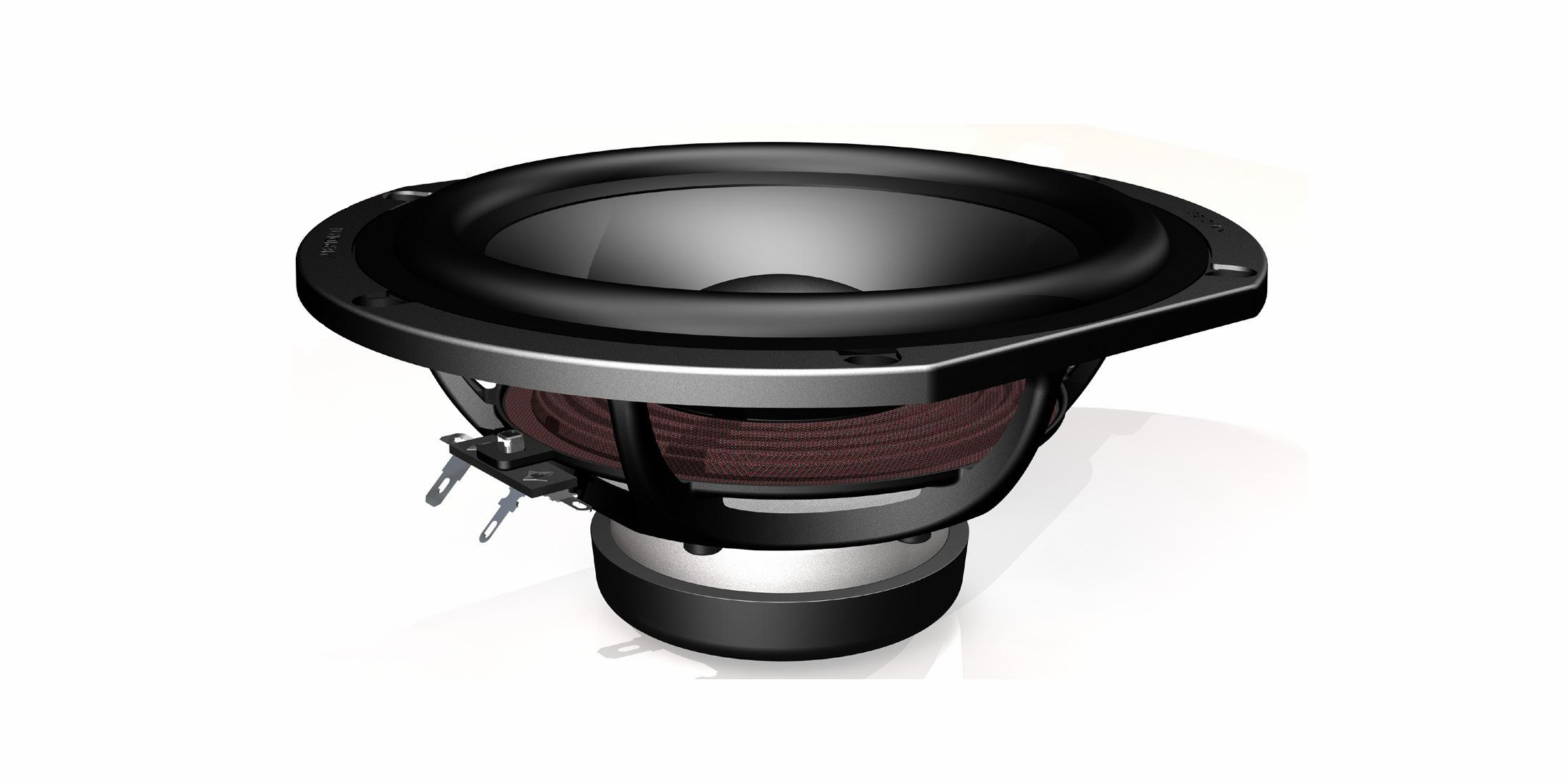
McLaren Woofer

McLaren Woofer Motor FEA

McLaren P1
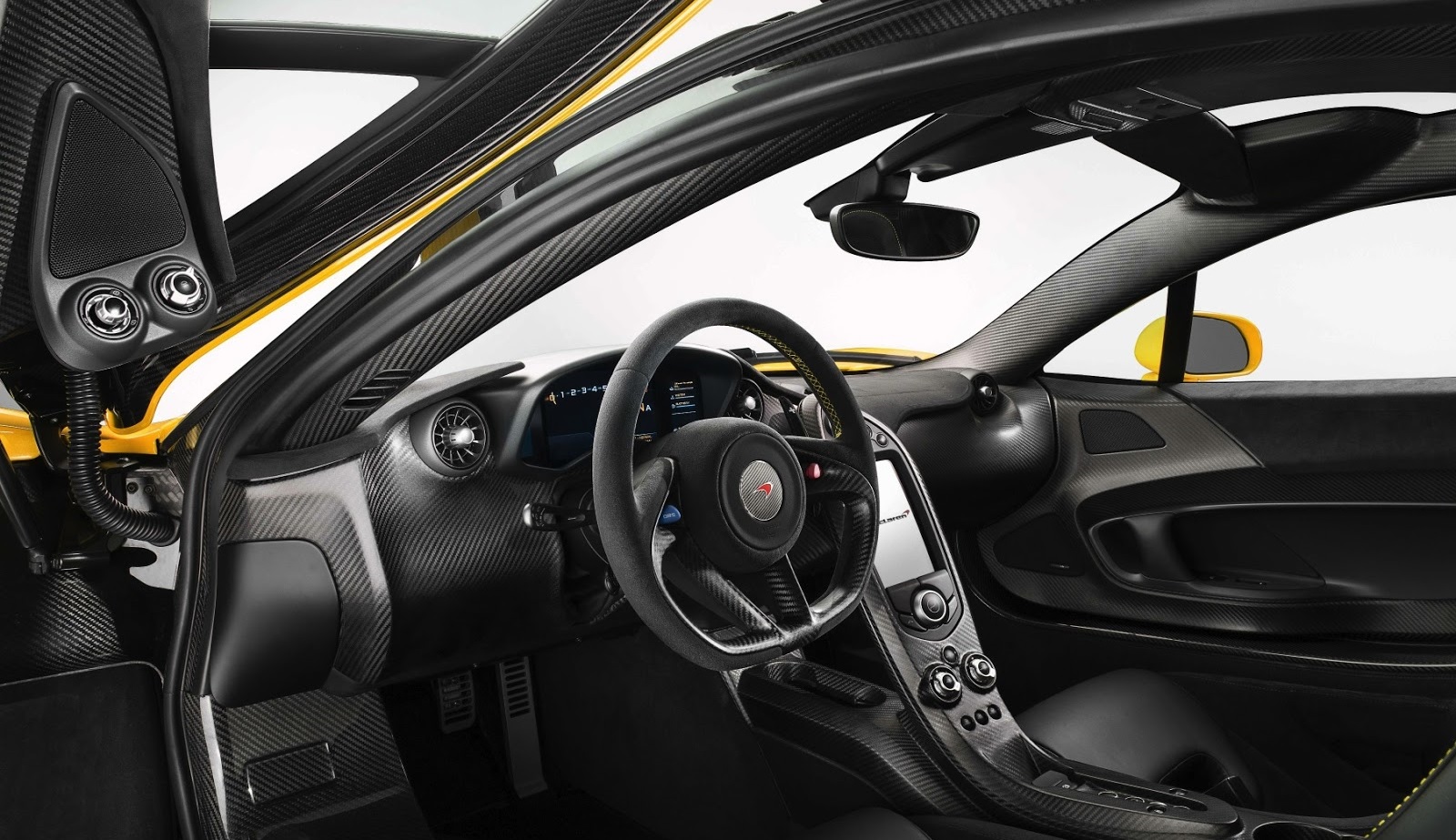
McLaren P1 Cabin

McLaren Full-Range Drive Unit

McLaren Full-Range Motor FEA

Overview
Leading the Engineering team at Meridian and working with McLaren Automotive cross-functional teams, two Meridian Sound Systems were designed and developed for McLaren Automotive vehicles.
The cross-functional teams collaborated on the design of loudspeaker drive units and their location within the cabin, the equalisation of the sound balance, HMI design/functionality and developing communication assests for promotional activities.
Meridian’s proprietary Trifield processing was configured to provide the optimum performance for automotive applications and is featured on the optional Meridian Surround Sound System to provide authentic rendering of a musical performance for all occupants in the vehicle.
DSP Amplifier

The amplifier unit also contains the system’s DSP (Digital Signal Processing) capability in the form of a 200MHz dual core processor delivering 400 MIPS (million instructions per second). The DSP in the amplifier unit carries out a series of functions:
• System Volume
• Bass, Treble and Balance controls
• Rear Gain Control (Hi-Line system)
• Dynamic Range Control (DRC)
• Automatic Volume Control (AVC)
• Automatic Tone Control (ATC)
• Loudness filtering
• Channel format conversion (including re-matrixing and stereo width, and converting 2-channel input to 5.2 and 5.1 input to 2.2)
• Crossovers and bass management
• Driver equalisation
• Limiters and delay
The bass, treble, balance and rear gain controls provide the user with the ability to adjust the frequency balance of the system to suit their taste.
The Dynamic Range Control system offers a comprehensive method of ensuring that the listening experience is maintained whatever the environmental conditions. A wide range of environmental signals is received by the unit, for example the fact that a window is open, and the speed of travel. This data is comprehensively and continually analysed to allow the system to compensate automatically for variations in such factors as ambient noise, so as to maintain a consistent level of perceived audio performance irrespective of driving activity.
The Automatic Volume Control function adjusts the volume of the sound system to compensate for estimated engine, road (tyre) and wind noise. There are three settings for AVC: Off, Min and Max. ‘Off’ disables the AVC function and the volume remains constant at the user-selected level regardless of vehicle speed. ‘Min’ is the lowest setting of the AVC system: the volume adapts gently to vehicle speed and other parameters. This mode has been calibrated for smooth road surfaces. ‘Max’ is the highest setting. Here, the volume adapts more aggressively to changes in vehicle speed and other parameters. This mode has been calibrated for rougher road surfaces.
The AVC also raises the volume when the engine is started, and compensates for alowered window by raising the volume on that side of the vehicle. The volume correction for the window function is road-speed dependent.
In Normal and Winter powertrain modes, the AVC operates with road speed and rpm. In Sport and Track powertrain modes, the AVC also uses throttle position to add compensation for the increased engine noise generated by the ISG. The correction curves for road speed and rpm are also slightly more aggressive to compensate for the additional noise and to add further aural excitement to these powertrain modes.
The Automatic Tone Control (selectable On/Off) boosts the bass when the engine is started to compensate for the masking effect of the low frequency noise of the engine. Both bass and treble are automatically adjusted with road speed to compensate for road and wind noise.
More aggressive correction is applied when the powertrain mode is set to Sport or Track.

Loudness Filtering allows the system to compensate for human hearing’s reduced sensitivity to low and high frequencies at lower sound pressure levels, boosting these frequencies according to specially-developed filter curve characteristics that are modelled on psychoacoustic research. The Loudness Filtering technology builds on developments first employed in Meridian’s F80, a luxury all-in-one entertainment system, which is very highly regarded for its audio performance and loudness compensation.
 The system head unit provided in the vehicle is able to deliver both stereo (2-channel) and multichannel surround (5.1-channel) signals. These signals are re-matrixed by comprehensive algorithms designed to ‘render’ the incoming audio signal to suit the in-car installation exactly, while at the same time providing bass management functions to ensure that bass signals from any channel are fed to the bass drivers on the correct side of the vehicle, maintaining spatial accuracy across the entire frequency range.
In the case of a 2.2-channel in-car installation, stereo source material is passed through a user-variable stereo-widening system based on that used in the Meridian M80. Bass information from left and right is separated to drive the bass units while the full-range drivers receive the mid and high frequencies, their locations optimised to deliver precise imaging and sonic accuracy.
Surround (5.1) source material is downmixed to drive the 2.2 output configuration, employing Meridian’s unique psychoacoustic technologies to deliver the best possible spatial experience even though only two output channels are involved.
In the case of the 5.2 surround in-car installation, 2-channel stereo material ispassed through an enhanced multichannel matrix. This dramatically increases the naturalness of stereo listening by using the three front loudspeakers to render stereo material with significantly increased localisational accuracy. At the same time, depth information, latent in many types of stereo recording, is extracted and fed to the rear channels, delivering an uncanny sense of presence and realism in surround, despite the source material being stereo only. 5.1 surround source material is enhanced for the 5.2 replay system via a comprehensive bass management strategy that enhances surround immersion and overall performance.
Loudspeaker Assemblies

The two primary loudspeaker enclosure assemblies are the same in both systems, and consist of a 165mm (6.5in) low frequency drive unit (illustrated above left) and an 85mm (3.5in) full range driver (illustrated above right: not to scale) installed in sealed enclosures, which are door-mounted. The low frequency drive units carry the bass signals for the entire system. These two units comprise the loudspeaker assemblies for the stereo (2.2) system.
In the case of the surround (5.2) system, these units are augmented by three additional 85mm full-range drivers (illustrated above), one mounted in the fascia and two behind the seats, left and right.
In all configurations, whatever the source material, the DSP-based crossover and bass management system ensures maximum performance and sonic accuracy are delivered at all times. The drivers are individually digitally equalised according to their location and enclosure characteristics, to create a completely integrated replay system in which all the loudspeakers work together to fill the in-car environment with pure, natural, digital sound, exactly tailored for the unique acoustic environment of the MP4-12C.
Working with a team of brilliant colleagues at McLaren Automotive, Meridian Audio developed audio systems that are found in the current McLaren line up which includes the 12C, 12C Spider, P1, 650S, 650S Spider, and the new 675LT.
In my initial role with Meridian Audio as Loudspeaker Design Engineer, I was tasked with the design of the loudspeakers for the McLaren MP4-12C Project. The door loudspeaker enclosure assemblies are the same in both the 2.2 (stereo) and 5.2 (surround) systems. Each enclosure consists of a 165mm low frequency drive unit and an 85mm full range driver installed in custom designed sealed enclosures located in the doors. The surround system has three additional 85mm full-range drivers in sealed enclosures – one centre channel loudspeaker located in the fascia and two rear surround loudspeakers located behind each seat. The same loudspeaker assemblies were used in the P1 model, but to further reduce weight, the enclosures volumes were replicated within the carbon fibre body structure.
The in-house design DSP amplifier has Dynamic Volume Control adjusting the volume and frequency response to compensate for variations in engine and external noise levels to ensure perfect sound quality under any operating conditions. Meridian Cabin Correction ensures the audio system is tailored to the acoustics of each individual model’s vehicle cabin. The 5.2 Surround system incorporates Trifield technology blends the centre channel seamlessly with the front left and right channels.
 Meridian Sound System
160 Watts 4 Speakers Stereo
 Meridian Surround Sound System
280 Watts 7 Speakers Trifield
 Digital Signal Processing
Digital, active DSP crossovers were designed to distribute music to each speaker giving higher overall quality, less power use, and the performance of Meridian consumer loudspeakers.
 Trifield
Meridian’s exclusive Trifield technology blends the centre and surround channels seamlessly with the left and right channels to deliver a consistent, concert-like experience, optimised for all seating positions.
 Meridian Cabin Correction
Meridian Cabin Correction technology optimises the audio system by measuring the acoustic time domain of the cabin and correcting the low frequency response preserving the timing and natural rhythm of a musical performance ensuring that bass notes to be reproduced cleanly.
 Digital Dither Shaping
Meridian Digital Dither Shaping is based upon psychoacoustic research to arrive at critically calculated noise shaping filters which provides an incredibly silent background to the recordings improving dynamic range and maximising musical detail.